


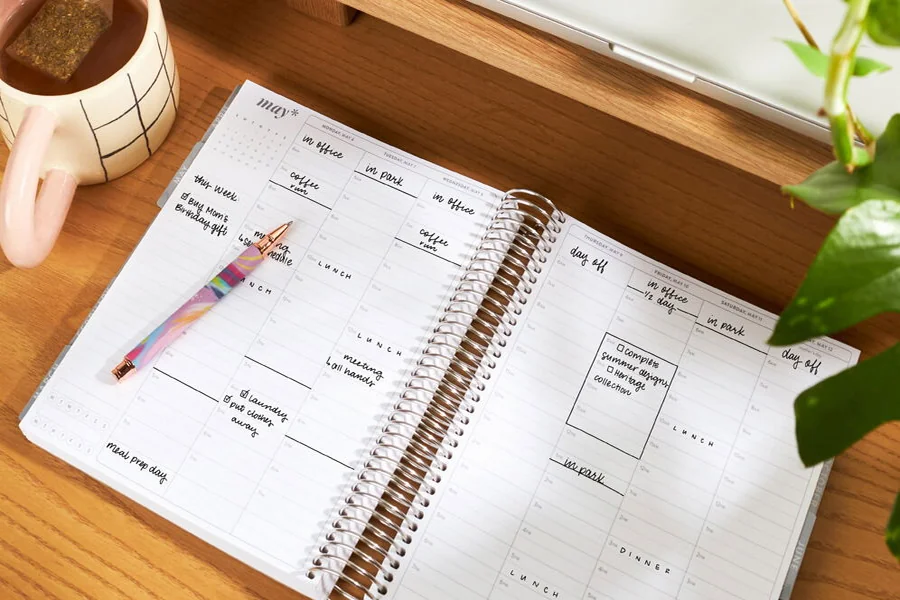
Life can become overwhelming when responsibilities start piling up. Between work deadlines, family commitments, personal goals, and daily tasks, it is easy to feel like there is never enough time or mental space. That is why learning Tips for Staying Organized Every Day can make such a meaningful difference in both productivity and peace of mind.
Organization is not about having a perfect schedule or keeping every corner of your home spotless. It is about creating systems that help you manage your time, responsibilities, and personal space with less stress. When your life feels more organized, your mind often feels clearer as well.
Many people believe organization requires special tools or complicated routines. In reality, staying organized often comes down to small daily habits that are easy to maintain. Consistency matters more than perfection.
In this guide, we will look at practical ways to stay organized, reduce mental clutter, and create routines that support a more balanced life.
Start Your Day With a Clear Plan
One of the most effective ways to stay organized is starting each day with direction. When people begin their morning without a plan, tasks often feel scattered and reactive.
Taking a few minutes to map out your day can create structure and focus. This does not need to be complicated. A simple list of priorities can make a major difference.
Instead of writing down every possible task, focus on the most important items first. Ask yourself what absolutely needs attention today.
Breaking larger goals into smaller actions also helps prevent overwhelm. A big project feels easier to manage when it is divided into simple steps.
Morning planning creates clarity and reduces the stress of trying to remember everything throughout the day. Further reading is available at boringmagazine.co.
Create Systems for Time Management
Time often feels limited when responsibilities compete for attention. Good organization starts with understanding how your time is being used.
Many people underestimate how much time gets lost through distractions, multitasking, or unclear priorities.
Using time blocks can help. This means setting aside specific periods for focused work, meetings, exercise, family time, or rest.
When possible, complete similar tasks together. Answering emails at one scheduled time, handling errands in one trip, or preparing meals in advance can save both time and energy.
Avoid overloading your schedule. Leaving small gaps between tasks gives you room to adjust when unexpected situations appear.
Managing time intentionally creates a stronger sense of control.
Keep Your Physical Space Organized
Your environment often affects your focus, mood, and productivity more than you realize.
A cluttered desk, messy room, or disorganized workspace can create mental distraction and make simple tasks feel heavier.
Keeping your space organized does not mean cleaning for hours every day. Small habits often create the best results.
Spend a few minutes each evening putting things back where they belong. Return documents to folders, place keys in one spot, and keep frequently used items easy to access.
Storage systems can also help. Baskets, drawers, shelves, and labeled containers make daily organization simpler.
A clean and functional environment often supports clearer thinking and better concentration.
Reduce Digital Clutter
Modern life creates more than physical clutter. Phones, emails, apps, notifications, and digital files can become overwhelming if left unmanaged.
Unread messages, duplicate files, and constant alerts can quietly increase stress throughout the day.
Start by turning off unnecessary notifications. Not every app needs your immediate attention.
Organize digital files into folders so important documents are easy to find.
Delete apps you no longer use and unsubscribe from emails that no longer serve a purpose.
Cleaning up your digital space creates mental clarity and reduces distraction.
Technology should support your life, not constantly interrupt it.
Build Daily Habits That Support Organization
Long term organization usually comes from routines rather than motivation.
Motivation changes from day to day, but habits create consistency.
Simple habits such as making your bed, preparing tomorrow’s clothes, reviewing your calendar, or packing your bag the night before can reduce morning stress.
Writing things down also helps. Notes, planners, or digital reminders can prevent important details from being forgotten.
Meal planning, budgeting, and weekly checklists can support larger areas of life as well.
The goal is not to do everything perfectly. The goal is to create repeatable actions that make life easier.
Small habits often create the biggest long term results.
Learn to Prioritize and Let Go of Unnecessary Tasks
Many people feel disorganized because they try to do too much at once.
Not every task carries equal importance. Learning to prioritize can reduce mental overload.
Identify what truly matters in your personal life, work, and long term goals.
Some tasks need immediate action. Others can wait, be delegated, or even removed completely.
Learning to say no can also protect your time and energy.
Taking on too many responsibilities often leads to exhaustion rather than productivity.
Organization becomes easier when your schedule reflects your real priorities instead of constant pressure.
Final Thought
Learning Tips for Staying Organized Every Day is not about creating a flawless routine or controlling every detail of life. It is about building systems that support your goals, reduce stress, and help you move through each day with greater clarity.
When you plan your time, manage your space, reduce distractions, and build consistent habits, daily life often feels more manageable and less overwhelming.
Organization is a skill that improves with practice. Small steps repeated consistently can create lasting change.
The more organized your environment, schedule, and priorities become, the more energy you can give to the things that truly matter.
FAQs
Why is staying organized important?
Staying organized can reduce stress, improve focus, increase productivity, and help manage responsibilities more effectively.
What is the easiest way to start getting organized?
Starting with a daily to do list and identifying your top priorities is often one of the easiest ways to begin.
Can organization improve mental wellbeing?
Yes, organized routines and environments can reduce mental clutter and create a stronger sense of control.
How often should I organize my space?
Small daily habits combined with weekly reviews often help maintain an organized space.
Do digital tools help with organization?
Yes, calendars, reminders, note apps, and task management tools can support daily organization.
What if I struggle to stay consistent?
Start with one simple habit at a time and build consistency gradually rather than trying to change everything at once.
