


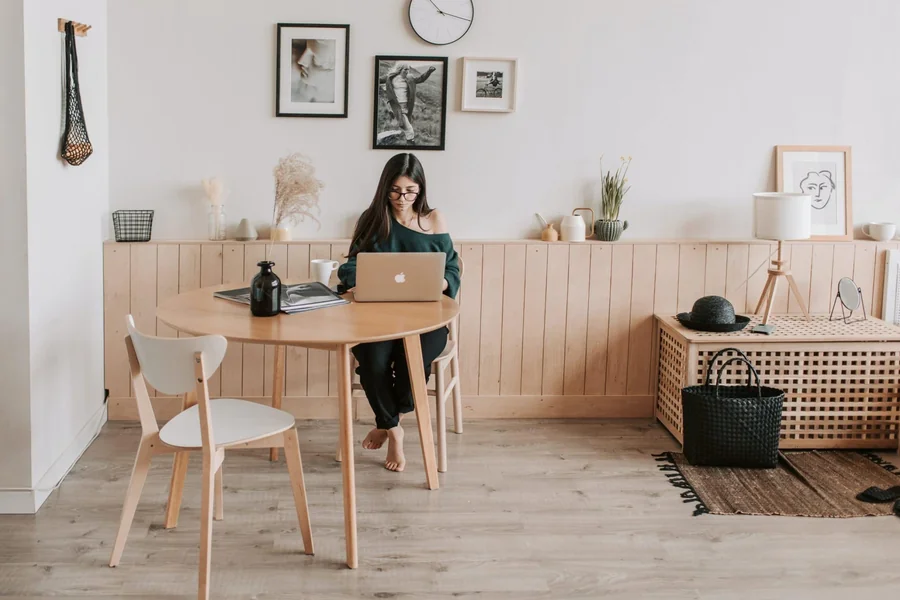
Minimalist Living: Benefits and Practical Tips is more than just a trend. It is a mindset that encourages you to focus on what truly matters while letting go of excess. In a world filled with constant consumption and distractions, many people are turning toward a simpler way of life to gain clarity, reduce stress, and improve overall well-being. Minimalism does not mean living with nothing. It means living with intention.
At its core, minimalist living is about aligning your environment and habits with your values. Whether you are trying to declutter your home, manage your time better, or reduce financial pressure, minimalism offers practical ways to create a more meaningful life.
Understanding the Core Idea of Minimalism
Minimalism is often misunderstood as a rigid lifestyle where you must give up everything you own. In reality, it is a flexible approach that looks different for everyone. The goal is not deprivation but intentionality. You choose what adds value to your life and remove what does not.
For some, this might mean downsizing their wardrobe to a few versatile pieces. For others, it could involve limiting digital distractions or simplifying their daily routines. The beauty of minimalism lies in its adaptability. It is not about perfection but about progress.
Minimalism also encourages mindfulness. When you become aware of your choices, you begin to question habits that once felt automatic. Do you really need that extra item? Does it serve a purpose or bring joy? These simple questions can lead to powerful changes over time. Keep reading on pressvibepulse com.
Key Benefits of Minimalist Living
One of the biggest advantages of minimalist living is reduced stress. A cluttered space often leads to a cluttered mind. By simplifying your surroundings, you create a calm and peaceful environment that supports mental clarity.
Financial freedom is another important benefit. When you stop buying unnecessary items, you naturally save more money. This can help you pay off debt, invest in meaningful experiences, or build a more secure future.
Minimalism also improves focus. With fewer distractions, you can concentrate on what truly matters, whether it is your career, relationships, or personal growth. You spend less time managing things and more time living your life.
Another often overlooked benefit is environmental impact. Consuming less means producing less waste. By adopting a minimalist lifestyle, you contribute to a more sustainable world without needing drastic changes.
Finally, minimalism can strengthen relationships. When you prioritize experiences over possessions, you create more opportunities to connect with others in meaningful ways.
Practical Tips to Start Minimalist Living
Starting your minimalist journey does not require a complete life overhaul. Small, consistent steps can make a big difference.
Begin with decluttering one area at a time. Instead of trying to tackle your entire home in one day, focus on a single drawer, shelf, or room. This makes the process manageable and less overwhelming.
Adopt the one-in, one-out rule. Whenever you bring something new into your life, remove something old. This helps maintain balance and prevents clutter from building up again.
Be mindful of your purchases. Before buying anything, ask yourself if it is truly necessary. Consider whether it will add long-term value or just temporary satisfaction.
Simplify your wardrobe by choosing versatile clothing that can be mixed and matched. This reduces decision fatigue and saves time in your daily routine.
Limit digital clutter as well. Unsubscribe from unnecessary emails, organize your files, and reduce screen time where possible. A clean digital space is just as important as a tidy physical one.
Focus on experiences rather than possessions. Invest your time and money in activities that bring joy and create lasting memories.
Common Challenges and How to Overcome Them
Minimalist living can feel challenging at first, especially if you are used to a lifestyle centered around accumulation. One common obstacle is emotional attachment to items. It is natural to feel connected to things, but it is important to distinguish between memories and physical objects. Letting go of an item does not mean losing the memory associated with it.
Another challenge is societal pressure. Modern culture often promotes the idea that more is better. It takes confidence to go against this mindset and choose a simpler path. Remind yourself of your goals and the benefits you are working toward.
Fear of missing out can also hold people back. You might worry that you will need something in the future. A helpful approach is to focus on what you use regularly. If you have not used an item in a long time, chances are you will not need it.
Consistency is key. Minimalism is not a one-time task but an ongoing process. Regularly reassess your belongings and habits to ensure they align with your values.
Building a Sustainable Minimalist Lifestyle
Minimalism is most effective when it becomes a long-term lifestyle rather than a short-term project. To sustain it, you need to develop habits that support simplicity.
Create routines that reduce decision-making. For example, plan your meals in advance or establish a daily schedule. This helps you save time and energy.
Practice gratitude for what you already have. When you appreciate your current possessions, you feel less need to acquire more. Gratitude shifts your focus from lack to abundance.
Set clear priorities. Identify what matters most to you and allocate your time and resources accordingly. This ensures that your lifestyle reflects your values.
Stay flexible. Your needs and circumstances may change over time, and your minimalist approach should adapt as well. There is no fixed rulebook. What matters is that your choices continue to serve your well-being.
Final Thought
Minimalist Living: Benefits and Practical Tips offers a practical pathway to a more intentional and fulfilling life. It is not about having less for the sake of it but about making room for what truly matters. By simplifying your environment, managing your resources wisely, and focusing on meaningful experiences, you can create a life that feels lighter, calmer, and more purposeful. Minimalism is not a destination but a journey that evolves with you, helping you build a life aligned with your values.
FAQs
What is minimalist living in simple terms?
Minimalist living is a lifestyle focused on removing unnecessary things and keeping only what adds value and purpose to your life.
Can anyone practice minimalism?
Yes, minimalism can be adapted to fit any lifestyle, regardless of age, income, or living situation.
Do I need to get rid of most of my belongings to be a minimalist?
No, minimalism is about intentional choices, not strict rules. You only remove what does not serve you.
How does minimalism help reduce stress?
By reducing clutter and distractions, minimalism creates a calmer environment that supports mental clarity and focus.
Is minimalist living expensive to start?
No, it often saves money because it encourages you to buy less and use what you already have.
How long does it take to become a minimalist?
It varies for each person. Minimalism is a gradual process that develops over time through consistent habits.
