


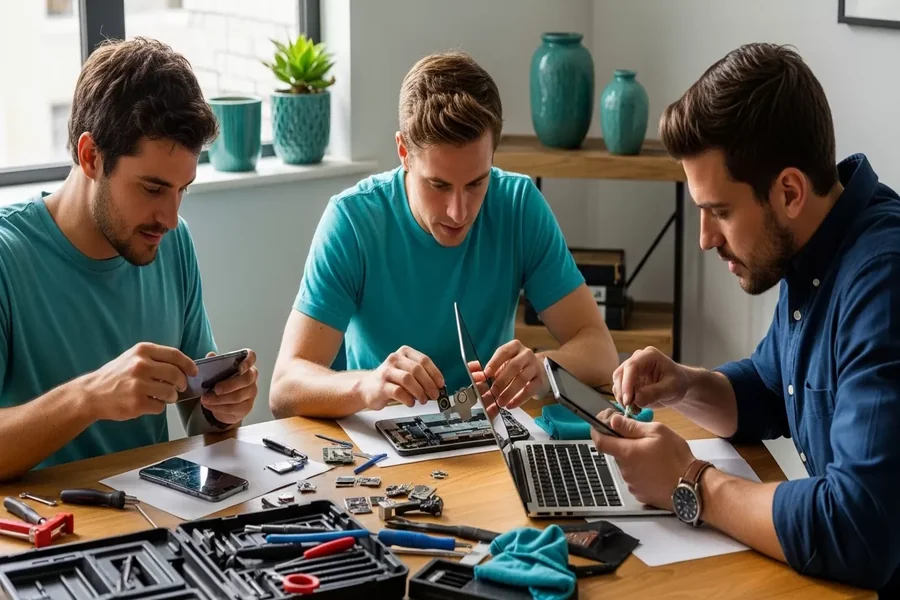
Smartphones and tablets have become central to how people manage their daily lives. From business communication to banking and entertainment, a single device often handles multiple responsibilities. Because of this, even small technical issues can feel like major disruptions. Instead of rushing to replace devices, many users now explore repair as a smarter and more efficient option.
Changing Mindset Around Device Maintenance
In the past, people often replaced devices at the first sign of trouble. Today, that mindset is shifting. With rising device costs and improved repair capabilities, users are more willing to fix specific problems rather than invest in a brand new product.
This shift is also influenced by environmental awareness. Repairing a device helps reduce electronic waste and supports a more sustainable approach to technology usage.
Understanding When a Device Needs Repair
Not every issue requires immediate action, but some signs clearly indicate that professional help may be needed.
- A screen that becomes unresponsive or shows display issues can affect usability.
- A battery that drains unusually fast may indicate internal wear.
- Overheating during normal use can be a sign of deeper hardware problems.
- Audio issues, such as low speaker volume or microphone failure, can impact communication.
- Unexpected shutdowns or system errors may point to software or motherboard issues.
Recognising these signs early can prevent further complications.
What Happens During a Repair Process
Many users are unsure about what actually happens when they hand over their device for repair. Typically, the process begins with an inspection to identify the root cause of the issue.
Once the problem is confirmed, the technician explains the possible solution and estimated time required. The repair itself may involve replacing components, cleaning internal parts, or resolving software conflicts.
After the repair is completed, testing ensures that the device is functioning properly before it is returned.
The Role of Repair Providers in Urban Markets
In cities like Singapore, mobile repair providers have become more structured and accessible. Companies such as LYK Repair operate within this space, handling a wide range of device issues across different brands.
These providers reflect how the repair industry has evolved from small independent shops to more organised service setups that focus on efficiency and customer experience.
Factors That Influence Repair Decisions
Users often consider several factors before deciding whether to repair a device.
Cost is usually the first consideration. If the repair is significantly cheaper than replacement, it becomes a practical choice.
Time is another factor. Quick turnaround is important, especially for users who rely heavily on their devices.
The condition of the device also matters. If multiple components are failing, replacement might be more sensible. However, for isolated issues, repair remains a strong option.
How Repair Services Are Adapting
The repair industry is continuously evolving to match user expectations. Faster service times, better availability of parts, and improved diagnostic tools have made repairs more efficient.
There is also a growing focus on user convenience. Many providers now offer flexible options such as scheduled repairs or multiple service points, making it easier for users to access support without major disruptions to their routine.
Risks of Ignoring Device Issues
Delaying repairs can sometimes make problems worse. A small crack in the screen can expand over time, and a weak battery can affect other components.
Ignoring early signs of damage may lead to more expensive repairs later. Addressing issues promptly helps maintain device performance and avoids unnecessary complications.
Simple Habits That Can Extend Device Life
While repairs are useful, prevention can reduce the need for frequent fixes.
Handling devices carefully and avoiding drops is one of the simplest ways to prevent damage.
Using quality accessories helps protect battery and charging systems.
Keeping software updated ensures smoother performance and fewer glitches.
Avoiding exposure to moisture and extreme temperatures protects internal components.
These habits can significantly extend the lifespan of a device.
Conclusion
Mobile device repair has become a practical and widely accepted solution for maintaining technology in everyday life. With increasing costs and growing awareness around sustainability, more users are choosing to repair rather than replace.
Understanding how the repair process works, recognising early signs of issues, and choosing the right provider can make a big difference in both cost and convenience. As the industry continues to evolve, repair services will remain an important part of how people manage and maintain their devices.
