


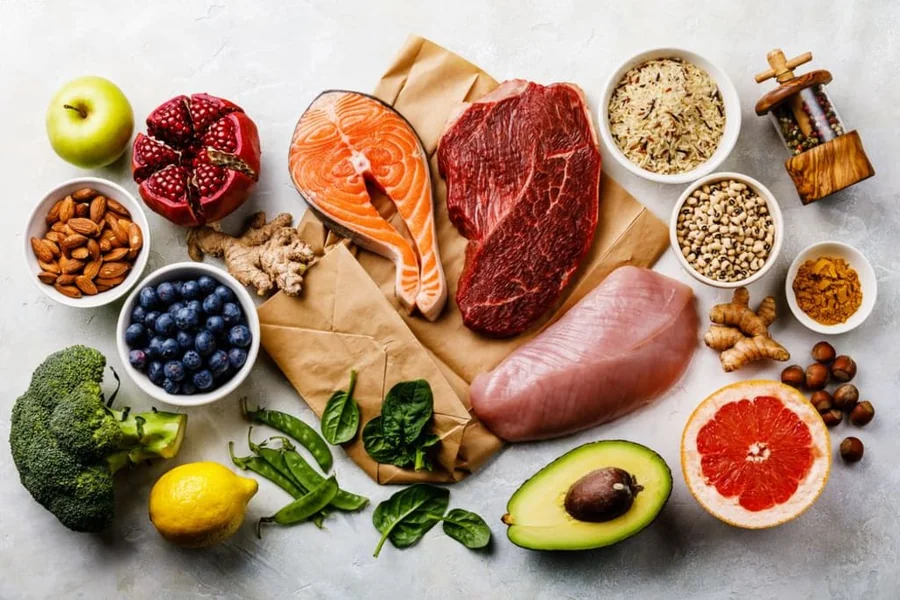
Why Healthy Eating Matters for Digestion
Healthy Eating For Better Digestion can help support a comfortable and balanced digestive routine. The digestive system processes food, absorbs nutrients, and removes waste, so the quality and variety of the foods you eat can influence how well your body manages these everyday functions.
A nutritious diet does not need to be complicated. Foods such as vegetables, fruits, whole grains, beans, lentils, nuts, seeds, and suitable protein sources can provide fiber and other nutrients that support regular eating habits and overall wellness.
Fiber is especially important for digestion. It is found naturally in fruits, vegetables, whole grains, legumes, nuts, and seeds. Increasing fiber gradually while drinking enough fluids can help support normal bowel movements.
Hydration is also important. Water supports many normal body functions and can help fiber work effectively. Eating slowly, staying active, and maintaining regular meal habits can further support a comfortable digestive routine.
Fiber-Rich Foods for Better Digestion
Fiber is an important part of a balanced diet because it can support bowel regularity and digestive health. There are different types of dietary fiber, and a varied diet can provide both soluble and insoluble fiber.
Fruits are a simple way to increase fiber intake. Apples, pears, berries, oranges, bananas, and other whole fruits can be included in breakfast, snacks, or meals. Eating whole fruit rather than relying mainly on juice can provide more fiber.
Vegetables are another valuable source. Broccoli, carrots, leafy greens, peas, sweet potatoes, and other vegetables can be added to soups, salads, rice dishes, sandwiches, or main meals.
Whole grains such as oats, brown rice, barley, quinoa, and whole-grain bread can also contribute fiber. Replacing some refined grain products with whole-grain options can be a practical way to increase dietary variety.
Beans, lentils, chickpeas, and other legumes are particularly useful because they can provide both fiber and plant-based protein. They can be added to soups, curries, salads, stews, and grain bowls.
Nuts and seeds can provide fiber along with healthy fats and other nutrients. Chia seeds, flaxseeds, almonds, walnuts, and pumpkin seeds can be added to yogurt, oatmeal, salads, or smoothies.
Hydration and Balanced Eating Habits
Drinking enough fluid is an important part of supporting digestion. Water can help the body process food and is particularly useful when increasing fiber intake.
Instead of waiting until you feel very thirsty, keep water available throughout the day. A reusable bottle can make regular drinking more convenient at home, work, or while traveling.
Meals should also include a balance of different food groups. Combining fiber-rich carbohydrates with protein and healthy fats can create satisfying meals without relying heavily on highly processed foods.
Eating too quickly can make meals less comfortable for some people. Taking time to chew food properly and eating without unnecessary distractions may help you become more aware of how your body responds to different foods.
Regular meal patterns can also be useful. Some people find that eating at relatively consistent times supports a more predictable digestive routine, although individual preferences differ.
Fermented foods such as yogurt and other cultured foods can fit into a varied eating pattern. If you tolerate these foods well, they can add useful nutrients and variety to meals.
It is also helpful to pay attention to individual food tolerance. Foods that feel comfortable for one person may cause discomfort for another. Keeping track of foods and symptoms can help identify patterns when digestive issues occur.
Foods and Habits That May Cause Digestive Discomfort
Digestive responses vary widely between people. Certain foods may cause bloating, gas, heartburn, or discomfort for some individuals while being well tolerated by others.
Large meals can sometimes feel uncomfortable, particularly when eaten quickly. Eating moderate portions slowly may be easier for some people.
Highly processed foods may also be worth limiting when they regularly replace nutrient-rich foods. Packaged snacks, sugary drinks, and heavily fried foods may provide fewer beneficial nutrients than meals based on whole or minimally processed ingredients.
Excessive intake of added sugar can affect overall diet quality. Replacing some sugary snacks and beverages with whole fruit, water, yogurt, or other nutrient-rich alternatives can support a more balanced eating pattern.
Spicy, fatty, or acidic foods can trigger heartburn or digestive discomfort in some people. If you notice that certain foods repeatedly cause symptoms, reducing them and discussing the pattern with a healthcare professional may be helpful.
Drinking enough water is important, but extremely large amounts of fluids at once are not necessary. Regular intake throughout the day is generally more practical.
Alcohol can also affect digestion and may worsen symptoms such as reflux for some people. Limiting alcohol can support broader health and may help people who notice digestive discomfort after drinking.
Persistent digestive symptoms should not simply be managed through diet alone. Ongoing abdominal pain, unexplained weight loss, blood in the stool, persistent vomiting, or significant changes in bowel habits should be discussed with a healthcare professional.
Building a Sustainable Digestive Wellness Routine
A healthy digestive routine should be realistic enough to maintain. Rather than making sudden and extreme dietary changes, introduce new foods and habits gradually.
When increasing fiber, do so slowly. Suddenly adding large amounts of beans, whole grains, fruits, and vegetables may cause temporary gas or bloating in some people. Gradual changes give your digestive system time to adjust.
Meal preparation can make healthy eating easier. Prepare vegetables, fruits, whole grains, beans, and other ingredients ahead of time so nutritious foods are available when you need them.
Physical activity can also support overall digestive wellness. Walking after meals or maintaining regular movement throughout the day can be a simple addition to a healthy routine.
Stress management should not be overlooked. Stress can affect how some people experience digestive symptoms. Relaxation practices, regular sleep, physical activity, and time for enjoyable activities can complement healthy eating.
Sleep is another important part of general wellness. Maintaining a consistent sleep schedule may support overall health and make it easier to maintain healthy eating habits.
If you have a diagnosed digestive condition, food allergy, food intolerance, or ongoing symptoms, a qualified healthcare professional or registered dietitian can help you develop a personalized eating plan.
Final Thought
Healthy Eating For Better Digestion begins with simple and sustainable habits. Including fiber-rich fruits, vegetables, whole grains, legumes, nuts, and seeds can support a varied diet, while adequate hydration helps maintain normal digestive function.
Eating slowly, choosing balanced meals, staying active, and paying attention to foods that cause personal discomfort can further support digestive wellness. However, nutrition is not a substitute for medical evaluation when symptoms are persistent or concerning.
The best approach is to make gradual improvements that fit your lifestyle. With consistent nutrition, hydration, movement, adequate rest, and appropriate professional care when needed, you can create a healthier foundation for comfortable digestion and overall well-being.
FAQs
What foods are best for digestion?
Fiber-rich foods such as fruits, vegetables, whole grains, beans, lentils, nuts, and seeds can support a balanced diet and normal digestive function.
How does fiber help digestion?
Dietary fiber can support regular bowel movements and contribute to digestive health. Increasing fiber gradually is often helpful, especially when combined with adequate fluid intake.
How much water should I drink for better digestion?
Fluid needs vary between people depending on factors such as activity, climate, diet, and health. Drinking water regularly throughout the day can support hydration and digestive wellness.
Can eating too quickly affect digestion?
Eating quickly may contribute to discomfort for some people. Eating slowly and chewing food thoroughly can make meals more comfortable.
Are fermented foods good for digestion?
Foods such as yogurt and other cultured products can fit into a varied diet and provide useful nutrients. Individual tolerance can vary.
Can whole grains improve digestive health?
Whole grains can provide dietary fiber and other nutrients. Oats, brown rice, barley, quinoa, and whole-grain bread are practical options.
Should I avoid certain foods for better digestion?
Not everyone needs to avoid the same foods. Some people may experience discomfort from specific foods, so paying attention to personal symptoms can help identify potential triggers.
Can exercise support digestion?
Regular physical activity can contribute to overall health and may support normal digestive routines. Simple activities such as walking can be easy ways to stay active.
How can I increase fiber without causing discomfort?
Increase fiber gradually by adding more fruits, vegetables, whole grains, beans, and seeds over time. Drinking enough water can also help support the adjustment.
When should I see a doctor about digestive problems?
Persistent abdominal pain, unexplained weight loss, blood in the stool, ongoing vomiting, or significant changes in bowel habits should be discussed with a qualified healthcare professional.
