


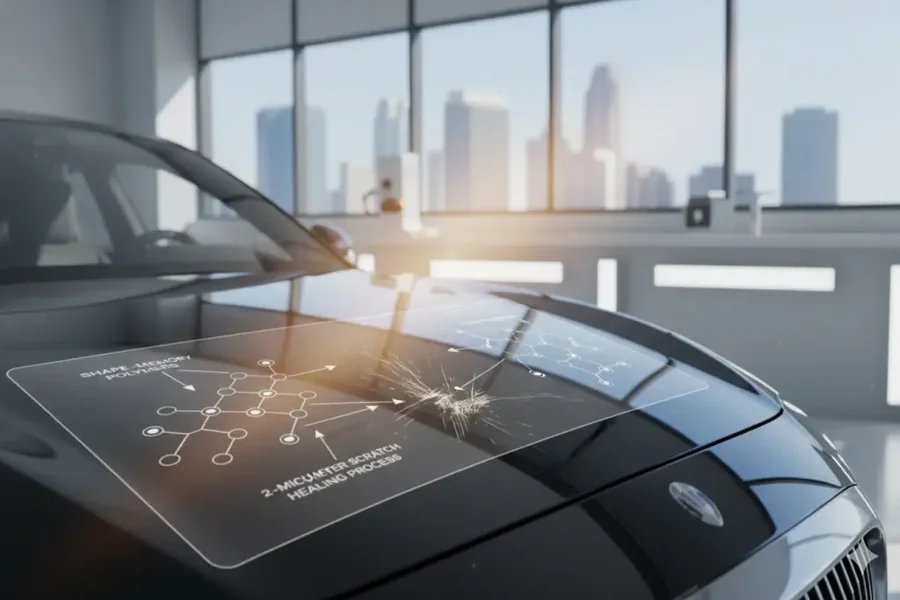
The automotive industry is undergoing a major transformation, and one of the most important yet often overlooked areas of innovation is protective coatings. These coatings are no longer just simple layers of paint meant to improve appearance. Today, they are becoming highly advanced engineered systems designed to protect vehicles from corrosion, scratches, UV radiation, chemical exposure, and environmental wear. As technology continues to evolve, automotive protection coatings are becoming smarter, stronger, and significantly longer-lasting than ever before.
From Passive Paint to Active Protection
Traditionally, automotive coatings served a passive role. They acted as a barrier between the metal body of a vehicle and external elements like moisture and oxygen. While effective to a degree, these coatings would gradually degrade over time, especially under harsh environmental conditions such as road salt, pollution, or extreme temperatures.
Modern coatings, however, are shifting from passive protection to active defense systems. Instead of simply resisting damage, they can now respond to it. This shift is largely driven by advances in nanotechnology, materials science, and chemical engineering. As a result, coatings are no longer static—they are dynamic systems capable of adapting and even repairing themselves.
The Rise of Smart Coatings
One of the most important developments in this field is the emergence of smart coatings. These advanced materials can respond to environmental stimuli such as heat, moisture, or mechanical damage.
Smart coatings often include microcapsules or nanocontainers filled with protective agents. When a scratch or crack forms, these containers break open and release healing substances that repair the damaged area. This self-healing ability helps restore the integrity of the coating and prevent corrosion from spreading.
Research in this area shows that smart coatings can significantly extend the lifespan of metal surfaces by continuously maintaining protective barriers even after damage occurs.
Self-Healing Technology: A Game Changer
Among the most exciting innovations in automotive coatings is self-healing technology. Inspired by biological systems, these coatings are designed to “heal” themselves after being scratched or damaged.
There are two main types of self-healing coatings:
- Intrinsic self-healing coatings, which repair damage through reversible chemical bonds within the material itself
- Extrinsic self-healing coatings, which rely on embedded microcapsules that release healing agents when damage occurs
In automotive applications, this means that minor scratches from road debris or washing no longer permanently damage the surface. Instead, the coating can recover on its own, reducing maintenance costs and preserving the vehicle’s appearance for longer periods.
Nanotechnology and the Next Generation of Protection
Nanotechnology is playing a crucial role in advancing automotive coatings. By manipulating materials at the nanoscale, scientists can create coatings with enhanced properties such as increased hardness, improved adhesion, and better resistance to corrosion and UV radiation.
Nanocoatings can also provide smoother surfaces, reducing friction and making vehicles more aerodynamic and easier to clean. Some advanced formulations even offer anti-bacterial and self-cleaning properties, helping vehicles stay cleaner for longer with less maintenance.
Stronger Materials for Harsh Environments
As vehicles are exposed to increasingly challenging environments—ranging from urban pollution to extreme weather—protective coatings must become stronger and more durable. Modern coatings are being engineered with improved resistance to UV radiation that causes fading and material breakdown, chemical exposure from road salts and industrial pollutants, mechanical abrasion from dust, gravel, and debris, and temperature fluctuations that cause expansion and contraction. In particular, high-performance chassis protection coating technologies are becoming increasingly important, as they help shield the vehicle’s underbody from corrosion, impact damage, and long-term structural degradation caused by harsh road conditions. These improvements are achieved through advanced polymer blends, ceramic particles, and hybrid nanomaterials that significantly enhance structural stability.
Sustainability and Eco-Friendly Coatings
Another major trend shaping the future of automotive coatings is sustainability. The industry is under pressure to reduce environmental impact, leading to the development of eco-friendly coating technologies.
Water-based coatings, low-VOC formulations, and bio-based materials are becoming more common. These innovations reduce harmful emissions during manufacturing and application while still maintaining high performance standards.
Sustainable coatings also contribute to longer vehicle lifespans, which reduces the need for repainting and refinishing—ultimately lowering material waste.
Multifunctional Coatings: More Than Just Protection
Future automotive coatings will not only protect surfaces but also provide multiple additional functions. These include:
- Self-cleaning surfaces that repel dirt and water
- Anti-fog coatings for improved visibility
- Anti-corrosion layers for metal protection
- Color-changing or adaptive finishes for aesthetic customization
- Conductive coatings for integrating electronics into vehicle surfaces
This multifunctionality represents a major step toward fully integrated vehicle surfaces that combine protection, aesthetics, and performance.
The Road Ahead: What the Future Holds
Looking forward, automotive protection coatings are expected to become even more intelligent and autonomous. Researchers are exploring coatings that can monitor their own condition, detect early signs of damage, and trigger repair mechanisms automatically.
Artificial intelligence and advanced sensors may also play a role in future coating systems, enabling real-time monitoring of surface health and predictive maintenance.
In addition, continued advancements in nanotechnology and polymer chemistry will likely lead to coatings that are thinner, lighter, and more effective than current solutions, without compromising durability.
Conclusion
The future of automotive protection coatings is moving far beyond traditional paint systems. What was once a simple protective layer is now evolving into a highly advanced material system capable of self-repair, environmental adaptation, and multifunctional performance.
With innovations in smart coatings, self-healing materials, nanotechnology, and sustainability, the automotive industry is entering a new era where vehicle surfaces are not only protected but actively engineered to last longer and perform better.
As these technologies continue to develop, the cars of the future will not just be more efficient and intelligent—they will also be wrapped in coatings that think, react, and heal, ensuring they remain stronger and longer-lasting than ever before.
