


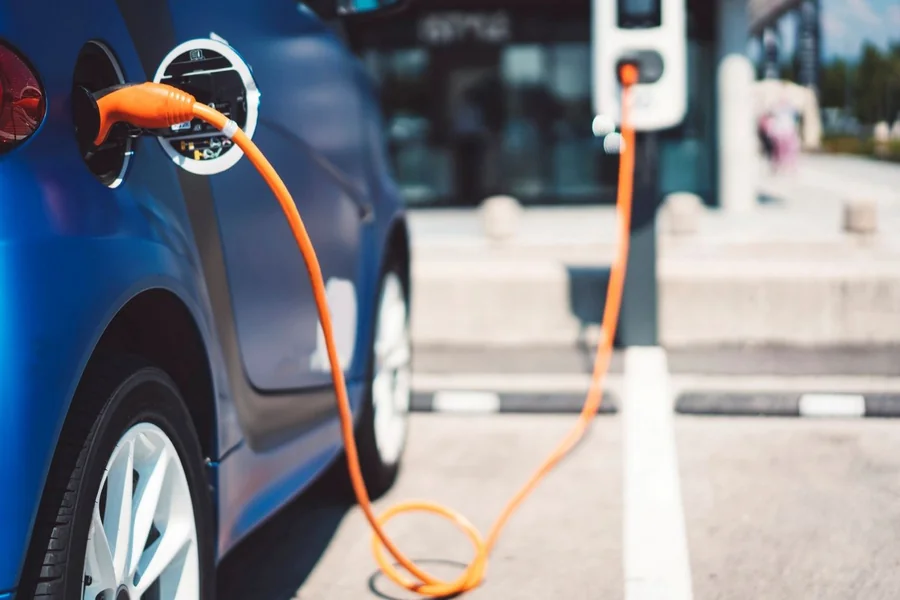
Electric vehicles (EVs) are rapidly transforming the global transportation landscape. Once seen as a niche alternative to traditional gasoline-powered cars, EVs have now become a central part of discussions about sustainability, energy independence, and the future of mobility. As governments tighten emissions regulations and battery technology improves, electric vehicles are shifting from experimental technology to mainstream transportation.
What is an Electric Vehicle?
An electric vehicle is a type of car that is powered, fully or partially, by electricity instead of gasoline or diesel. Most modern EVs use rechargeable lithium-ion batteries to store energy, which is then used to power an electric motor. Unlike internal combustion engines, electric motors produce no tailpipe emissions, making EVs significantly cleaner during operation.
There are several types of electric vehicles. Battery electric vehicles (BEVs) run entirely on electricity and must be charged from an external power source. Plug-in hybrid electric vehicles (PHEVs) combine a gasoline engine with an electric motor and battery, allowing drivers to switch between or combine both power sources. Hybrid electric vehicles (HEVs), while still partially electric, do not plug in and rely mainly on regenerative braking and the internal combustion engine to recharge their small batteries.
Major Players in the EV Market
The electric vehicle industry has expanded rapidly, with both established automakers and new companies competing for market share. One of the most well-known EV manufacturers is Tesla, which played a major role in popularizing modern electric cars with models like the Model 3 and Model Y. Tesla’s focus on long-range batteries, software integration, and fast-charging infrastructure has made it a leader in the EV space.
Other major players include traditional automakers such as Volkswagen, Ford, and General Motors, all of which are investing heavily in electric vehicle platforms. In Asia, companies like BYD have become global leaders in EV production, especially in electric buses and affordable passenger cars. Meanwhile, earlier models such as the Nissan Leaf helped introduce electric driving to a broader consumer base and remain popular in many markets.
Benefits of Electric Vehicles
One of the most important advantages of electric vehicles is their environmental impact. Because they produce no direct tailpipe emissions, EVs help reduce air pollution in cities and lower greenhouse gas emissions when powered by renewable energy sources. This is especially important as transportation remains one of the largest contributors to global carbon emissions.
Electric vehicles are also more energy-efficient than gasoline-powered cars. Electric motors convert a higher percentage of energy from the battery into motion compared to internal combustion engines, which lose a large portion of energy as heat. This efficiency means lower energy consumption per kilometer driven.
From a cost perspective, EVs often have lower operating expenses. Electricity is generally cheaper than gasoline or diesel, and EVs require less maintenance because they have fewer moving parts. There are no oil changes, fewer brake replacements due to regenerative braking, and reduced engine wear overall.
Driving experience is another area where EVs stand out. They deliver instant torque, meaning quick acceleration from a standstill. They are also typically quieter than traditional vehicles, reducing noise pollution in urban environments.
Challenges Facing Electric Vehicles
Despite their advantages, electric vehicles still face several challenges. One of the most significant is charging infrastructure. While home charging is convenient for many users, long-distance travel requires access to public charging stations. In some regions, charging networks are still underdeveloped, leading to concerns about “range anxiety,” or the fear of running out of battery before reaching a charger.
Building reliable infrastructure also depends on skilled professionals. For example, installing home charging units often requires a certified electric vehicle charger electrician, especially when upgrading older electrical systems to handle higher power loads safely and efficiently.
Battery technology is another limiting factor. Although lithium-ion batteries have improved significantly, they are still expensive to produce and can take a long time to charge compared to refueling a gasoline car. Battery degradation over time also affects long-term performance, although most modern EV batteries are designed to last many years.
Another challenge is the environmental impact of battery production. Mining for materials like lithium, cobalt, and nickel raises environmental and ethical concerns. As demand for EVs grows, the industry is working toward more sustainable sourcing and recycling methods.
Charging Infrastructure and Innovation
Charging infrastructure is expanding rapidly around the world. Public fast-charging stations can now recharge an EV battery to 80% in under an hour, depending on the vehicle and charger type. Many countries are investing in nationwide charging networks along highways and in urban centers to support long-distance EV travel.
Home charging remains the most common method of powering EVs. Many owners install Level 2 chargers in their garages, allowing overnight charging that provides a full battery by morning. This convenience is one of the key reasons EV adoption is growing in residential markets.
Innovation in charging technology is also accelerating. Wireless charging systems, ultra-fast chargers, and battery-swapping technologies are being tested and deployed in various regions. These developments aim to make EV charging as fast and convenient as refueling a conventional car.
The Future of Electric Vehicles
The future of electric vehicles looks increasingly promising. Governments around the world are setting deadlines to phase out new gasoline and diesel vehicle sales, encouraging manufacturers to transition to electric fleets. At the same time, battery costs continue to decline, making EVs more affordable for consumers.
Advances in solid-state batteries could revolutionize the industry by offering higher energy density, faster charging times, and improved safety compared to current lithium-ion technology. If successfully commercialized, these batteries could significantly extend driving range and reduce charging concerns.
Autonomous driving technology is also closely linked with the growth of electric vehicles. Many self-driving systems are being developed using electric platforms due to their compatibility with advanced sensors and software integration. This convergence of electrification and automation may redefine personal transportation in the coming decades.
Conclusion
Electric vehicles represent a major shift in how people think about transportation. With companies like Tesla and BYD driving innovation, and earlier models such as the Nissan Leaf paving the way for mass adoption, EVs have moved from experimental technology to a practical and increasingly common choice.
While challenges remain—especially in charging infrastructure, battery production, and raw material sourcing—the momentum behind electric vehicles continues to grow. As technology improves and global policies support cleaner energy, EVs are likely to play a central role in the future of transportation, reshaping not only how people drive, but also how energy is produced and consumed around the world.
