


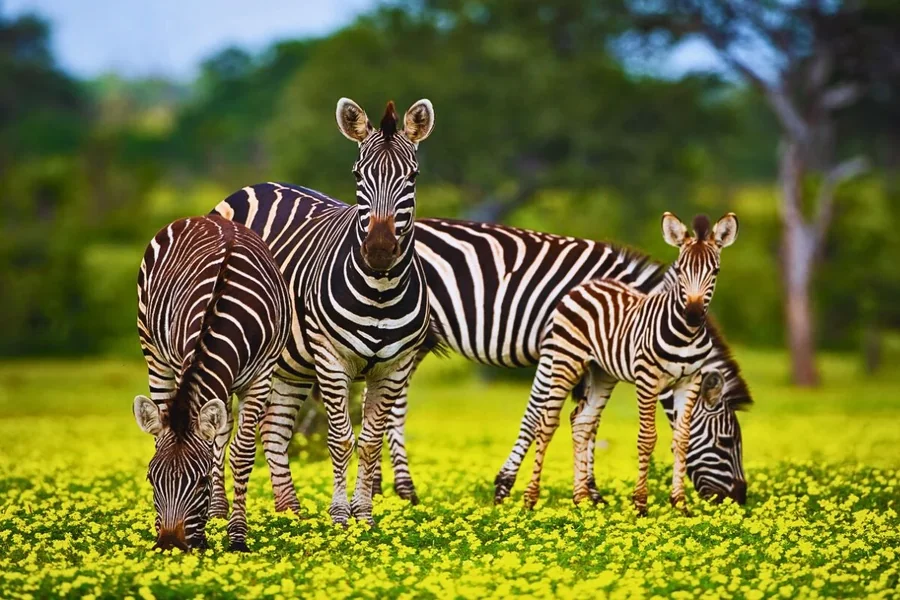
The Connection Between Natural Beauty And Wildlife
Nature has a unique way of combining beautiful landscapes with remarkable wildlife. Forests filled with tall trees, rivers surrounded by greenery, open grasslands, and quiet mountains all provide habitats where animals can live naturally. Natural Beauty And Wildlife are closely connected because healthy environments allow plants and animals to thrive together.
A peaceful natural setting can become even more fascinating when wildlife appears within it. A deer moving through a forest, birds resting on branches, or butterflies flying over flowers can transform an ordinary landscape into a living scene. Resources such as natureanimalhub can also help people learn more about animals and their natural surroundings.
Wildlife does not simply live within nature; it actively contributes to the character and balance of each environment. Animal movements, sounds, feeding habits, and interactions create an ecosystem that is constantly changing.
Forests Filled With Wildlife
Forests are among the richest natural habitats on Earth. They provide food, shelter, nesting areas, and protection for countless species. Depending on the region, forests may contain elephants, deer, monkeys, bears, big cats, birds, reptiles, insects, and many smaller organisms.
The beauty of a forest often comes from its variety. Sunlight filtering through leaves, streams flowing between trees, colorful flowers, and animal sounds create a dynamic environment. Each layer of the forest supports different forms of life.
Birds may occupy the canopy while mammals move through the understory and insects live among leaves and fallen wood. This variety demonstrates how different species can share the same habitat while occupying different ecological roles.
Wildlife In Mountains And Grasslands
Mountain landscapes provide spectacular views and unique habitats for wildlife. Rocky slopes, alpine meadows, forests, and valleys can support animals adapted to challenging conditions. Mountain goats, eagles, bears, and other species have physical and behavioral characteristics that help them survive in these environments.
Grasslands offer a different kind of natural beauty. Wide open spaces allow visitors to see animals from greater distances. Herds of grazing mammals may move across the landscape while birds search for insects and predators observe from less visible locations.
Both mountains and grasslands demonstrate how animals adapt to their surroundings. Their survival depends on available food, water, shelter, and suitable seasonal conditions.
The Beauty Of Water And Wildlife
Rivers, lakes, wetlands, and coastal areas add another dimension to natural landscapes. Water provides essential resources for wildlife and supports complex ecosystems.
Birds may gather near wetlands to feed, while fish and amphibians depend on aquatic environments throughout their life cycles. Mammals may visit rivers and lakes to drink or search for food.
Water also creates beautiful natural scenes through reflections, flowing streams, waterfalls, and mist. When wildlife appears within these settings, the relationship between landscape and living organisms becomes especially noticeable.
Wildlife Creates Living Natural Scenes
Animals bring movement and character to natural environments. A bird taking flight, a butterfly landing on a flower, or a family of mammals traveling together can make a landscape feel alive.
Animal sounds are also an important part of nature. Birdsong, insect activity, rustling leaves, and distant calls can create a natural soundscape. These sounds often help animals communicate, find mates, warn others of danger, or locate food.
Observing wildlife can therefore be more than simply watching animals. It can provide an opportunity to understand how they interact with one another and respond to their surroundings.
Protecting Natural Beauty And Wildlife
Natural beauty and wildlife depend on healthy habitats. Deforestation, pollution, habitat destruction, illegal hunting, and unsustainable development can damage environments and reduce the space available for animals.
Conservation efforts can help protect these valuable areas. National parks, wildlife reserves, habitat restoration projects, and protected wetlands provide important spaces where animals and plants can continue to thrive.
Visitors also have a role to play. Avoiding litter, staying on designated trails, respecting wildlife, and following local conservation guidelines can reduce human impact on natural environments.
Appreciating Nature Responsibly
Photography and wildlife observation are popular ways to appreciate natural beauty. However, these activities should always be carried out responsibly. Animals should not be chased, fed, touched, or disturbed simply to create a photograph or obtain a closer view.
Patience often produces the most meaningful experiences. Sitting quietly and watching an environment can reveal details that are easily missed when moving quickly. Small insects, distant birds, animal tracks, and changing light can all become part of the experience.
Learning about local wildlife before visiting an area can also improve appreciation. Understanding an animal’s behavior and habitat makes it easier to observe without interfering with its natural activities.
Final Thought
Natural Beauty And Wildlife are deeply connected through habitats, ecosystems, and the countless relationships between living organisms and their surroundings. From dense forests and mountain valleys to wetlands and open grasslands, every environment offers its own combination of scenery and wildlife.
Protecting these places ensures that their beauty and biodiversity can continue to exist. By appreciating animals from a respectful distance and supporting the conservation of natural habitats, people can enjoy the wonders of nature while helping preserve them for future generations.
FAQs
What is the connection between natural beauty and wildlife?
Natural beauty and wildlife are connected because animals depend on healthy natural habitats, while their presence adds movement, sound, and biodiversity to those environments.
Where can people see natural beauty and wildlife together?
Forests, wetlands, mountains, grasslands, rivers, lakes, coastal areas, and protected parks can all provide opportunities to experience landscapes and wildlife together.
Why are forests important for wildlife?
Forests provide food, water, shelter, breeding areas, and protection for a wide variety of animal species.
How can people protect wildlife habitats?
People can help by reducing pollution, protecting natural areas, avoiding habitat damage, respecting wildlife, and supporting responsible conservation programs.
How can wildlife be observed responsibly?
Maintain a safe distance, avoid feeding or touching animals, keep noise low, follow local regulations, and allow animals to behave naturally.
